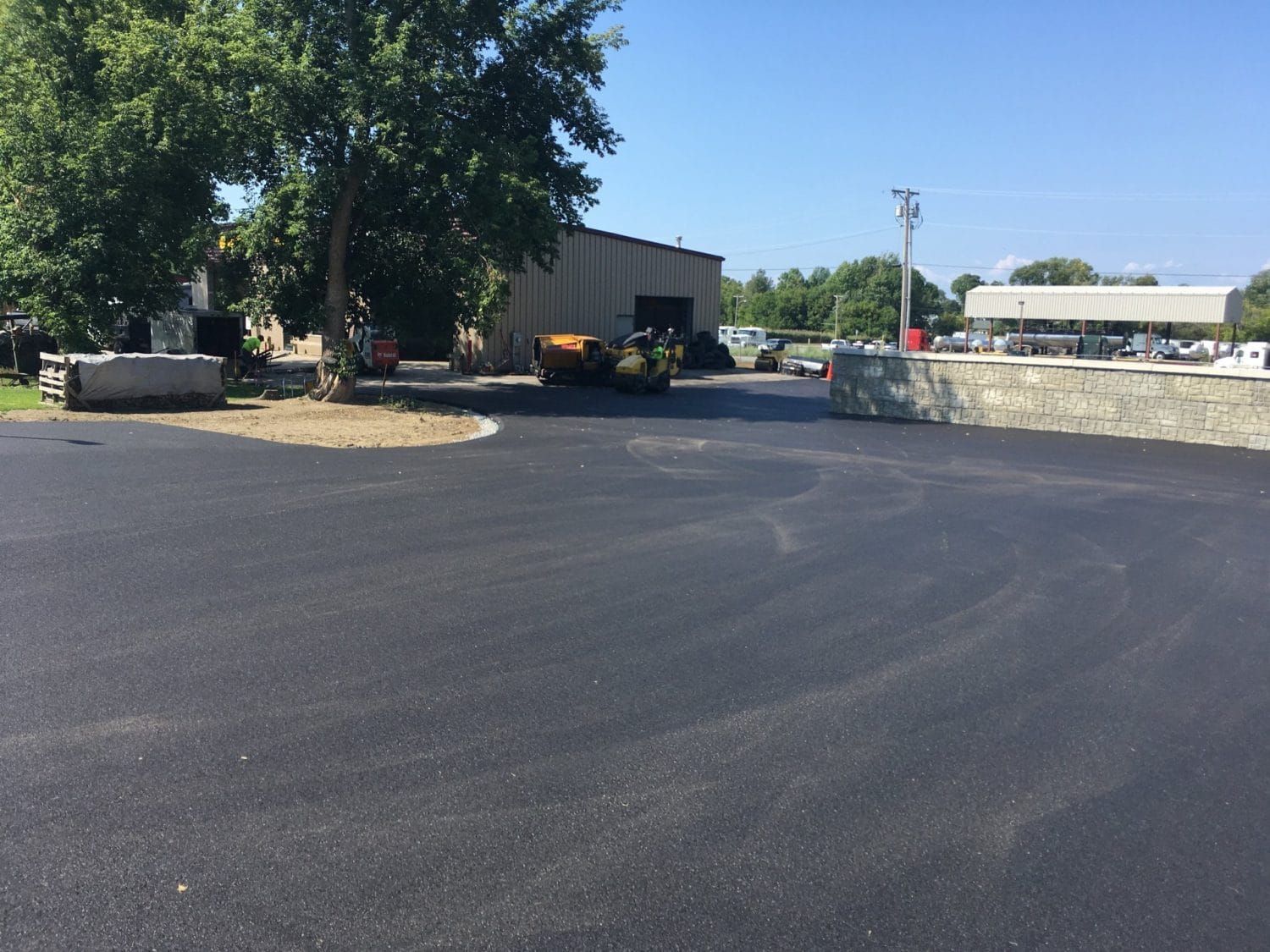
Home › Road, Street, and Municipal Paving
Precision Asphalt Arlington performs road paving in Arlington, TX for municipal streets, subdivisions, and public facilities. We use quality mixes, strict compaction standards, and proper traffic control to deliver smooth, long lasting asphalt roads that handle daily traffic and heavy vehicles.
Precision Asphalt Arlington provides professional road paving throughout Arlington, TX, Texas and the surrounding area. Our licensed, insured crew delivers safe, clean, on-time work with a free estimate before anything begins. Call (817) 646-5980 or request your free quote.
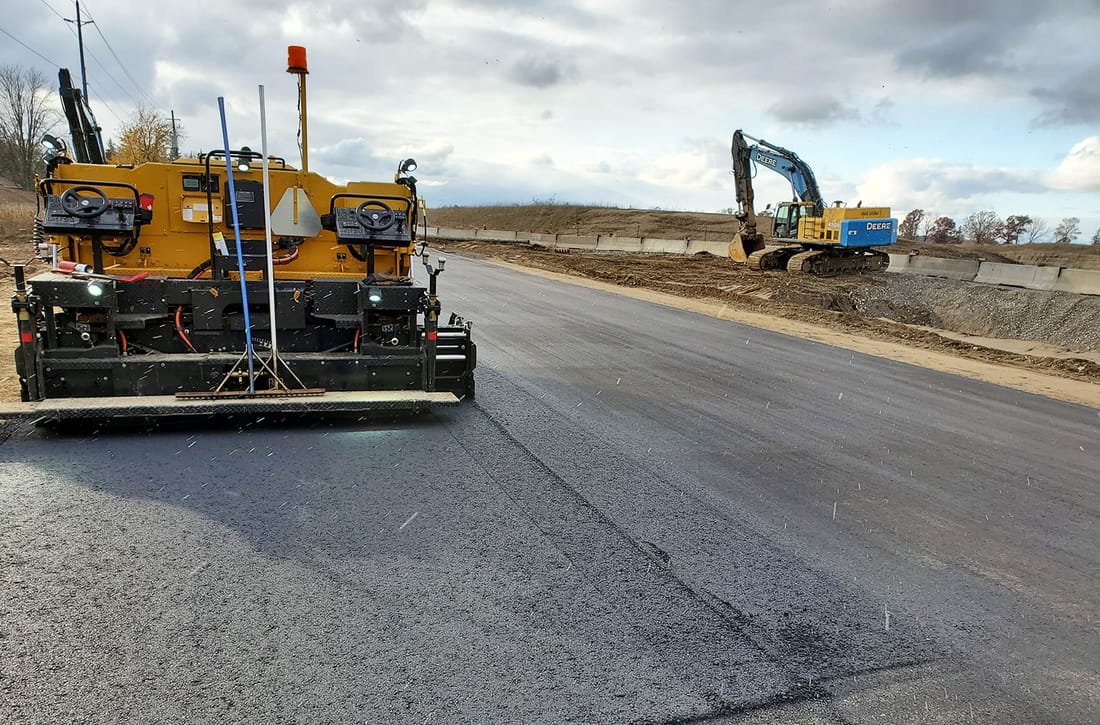
Road, Street, and Municipal Paving in Arlington, TX
Precision Asphalt Arlington builds and rehabilitates roads, streets, and municipal pavements that stand up to heavy traffic and Texas weather. Our crews understand that public roadways in Arlington are not just asphalt, they are critical infrastructure that must be safe, durable, and cost effective for local taxpayers.
We focus on practical design and careful construction that fits the specific conditions of each roadway. From neighborhood streets near parks and schools to high traffic arterials that carry commuters to I 20 and Highway 287, we tailor pavement structure, drainage, and traffic control to match the use and budget of each project. Our goal is to deliver finished pavements that require less patching, fewer lane closures, and lower life cycle costs for the City of Arlington and local property owners associations.
Site Evaluation and Pavement Design for Arlington Conditions
Effective road paving starts with knowing the ground you are building on. Before we recommend any paving solution, Precision Asphalt Arlington performs a site evaluation that may include soil probing, reviewing existing geotechnical reports, checking drainage patterns, and documenting existing pavement failures such as rutting, alligator cracking, or base pumping.
In much of Arlington, clay based subgrade expands when wet and shrinks during hot, dry summers. We account for this movement when designing road sections. Depending on the location and traffic loading, we may recommend lime stabilization of subgrade, thicker base courses, or modified asphalt mixes that are less prone to rutting in high heat.
We also examine traffic counts and vehicle types. A residential street that mainly sees passenger cars does not need the same section as a truck route serving industrial areas near Great Southwest Parkway. By matching asphalt thickness and base design to the actual loading, we prevent premature failures and avoid overspending on materials that do not add value.
Before construction, we coordinate with owners and municipalities to verify required lane widths, curb and gutter details, ADA ramp configurations, and tie in elevations at driveways and intersections. Getting these details right on paper avoids costly changes once paving has begun.
Road Paving Construction Process Step by Step
Precision Asphalt Arlington follows a structured process for every road, street, and municipal paving project so there is clear accountability at each stage.
1) Demolition and milling. For full reconstructions, we remove existing asphalt and base materials to design depth. On overlays, we often mill the surface 1 to 2 inches so the new mat can be placed at the correct elevation without creating trip edges at manholes, gutters, or driveways.
2) Subgrade preparation. We grade and compact the subgrade to specified density using rollers appropriate for the soil type. In soft or expansive soils, we may proof roll to identify weak areas and undercut and backfill those sections with select fill or apply lime or cement stabilization to improve bearing capacity.
3) Base installation. Most Arlington roadways use a flexible base such as crushed limestone or recycled concrete aggregate. We place the base in lifts, shape it to proper crown or cross slope for drainage, then compact to specified density verified with field density tests. A stable base is the single most important factor in long lasting asphalt roads.
4) Asphalt paving. We typically use a multi lift approach. A structural base course is laid first, often using a coarser Superpave design for strength, followed by a finer surface course that delivers a smooth ride and skid resistance. Our pavers are equipped with automatic grade and slope controls to maintain smooth, consistent profiles.
5) Compaction. While the asphalt is within temperature range, our rolling pattern uses a combination of breakdown, intermediate, and finish rollers. We monitor densities in real time to achieve target compaction, which is critical for limiting air voids and extending pavement life.
6) Joints and tie ins. We pay particular attention to longitudinal joints and transitions at existing pavement. We use proper overlap, tack coats, and joint rolling techniques to prevent early cracking and water intrusion along seams.
7) Markings and signage. After curing, we apply striping, arrows, stop bars, and symbols using traffic rated paints or thermoplastic, and coordinate signage so the roadway can be safely reopened with minimal disruption.
Material Options and Mix Designs for Local Roads
Arlington road paving requires asphalt mixes that can stand up to high pavement temperatures in summer and occasional freeze events in winter. Precision Asphalt Arlington works with local suppliers to select or design mixes that match each project.
For municipal streets, we often use performance graded binders like PG 64 22 or modified binders where higher rut resistance is needed. Surface courses may incorporate fine aggregates that improve skid resistance in wet conditions, which is important near schools, intersections, and downhill approaches.
We can incorporate recycled asphalt pavement (RAP) where specifications allow, which can reduce material cost and environmental impact without sacrificing performance when proportioned correctly. For low volume residential streets, this can be a cost effective option. For bus routes or industrial roads, we usually limit RAP content and focus on mixes with higher stability and resistance to shoving and rutting under slow, heavy loads.
Clients can also choose between different wearing surface strategies. A standard dense graded asphalt surface offers a smooth ride and is straightforward to maintain. Where budgets allow, we may recommend a thicker surface course or a premium mix at intersections and approaches where braking and turning stresses are high, because those are the first locations that tend to ravel or form ruts if under designed.
Cost Drivers and Budget Planning for Road Paving
Road paving costs in Arlington are influenced by several specific factors, and understanding them helps municipal clients and developers budget accurately.
Project size and layout are primary drivers. Long, straight stretches with good access are more efficient to pave than short segments with frequent intersections, cul de sacs, or tight urban conditions. Mobilization, traffic control, and phasing often cost nearly the same for a short project as for a much longer one, so per foot costs tend to drop as length increases.
Existing conditions matter. If the underlying base has failed or the subgrade is saturated, we must repair or rebuild it before new asphalt is placed. Milling and overlay projects where the base is sound are considerably less expensive per square yard than full depth reconstruction.
Access and traffic control are another key component. Roads that require night work, detailed detour plans, or coordination with multiple agencies tend to have higher labor and equipment costs. For routes near schools or hospitals, additional safety requirements and limited working hours can affect overall pricing.
Material choices also influence cost. Using high performance or polymer modified binders, thicker sections, or premium surface mixes will increase initial pricing but can significantly reduce the need for patching and overlays over the life of the pavement. Precision Asphalt Arlington helps clients compare life cycle costs rather than just initial bid numbers so they can make informed decisions.
Common Roadway Problems and How We Solve Them
Public roads in Arlington face a combination of high heat, occasional heavy rains, and traffic loading that leads to recurring issues. Precision Asphalt Arlington focuses on root cause solutions instead of surface only fixes.
Alligator cracking and base failures are common on older streets with thin or poorly compacted bases. Instead of repeatedly patching the surface, we identify failure limits, saw cut the area, remove asphalt and unstable base, rebuild the base with proper moisture and compaction, then replace the asphalt in structural lifts.
Rutting and shoving often show up in wheel paths at intersections, bus stops, or stop controlled approaches. These are usually caused by insufficient asphalt thickness, soft mixes, or inadequate base support. For these locations we may recommend a stronger mix design, thicker surface course, or localized base reinforcement.
Standing water is another frequent complaint. Improper cross slope, clogged gutters, or low spots can cause water to sit on the pavement, which accelerates stripping and pothole formation. During rehabilitation, we correct slopes where possible, install or adjust inlets, and shape transitions to keep water moving to the drainage system.
Reflective cracking from underlying concrete or old joint patterns requires specialized approaches. We can use milling, interlayer fabrics, or specific overlay designs to slow the transmission of cracks to the new surface, which extends the effective life of the overlay.
Why Local Experience Matters and How to Get Started
Delivering dependable road paving in Arlington requires familiarity with local soils, city standards, and traffic expectations. Precision Asphalt Arlington has hands on experience with local subdivision streets, commercial access roads, and municipal projects in Tarrant County, so we know which details the inspectors watch, which mix designs have performed best, and how to phase work to keep neighborhoods and businesses accessible.
We coordinate with city engineering departments, HOAs, and private engineers to ensure plans are constructible and realistic. Our team handles traffic control plans, scheduling around school calendars where needed, and clear communication with affected residents or businesses.
If you are planning a new road, a subdivision street network, or a municipal overlay program, we can provide a site visit, review any existing plans or pavement condition data, and offer practical recommendations on section thickness, phasing, and maintenance planning. The more information you have up front, the fewer surprises you face during construction.
To discuss an upcoming road, street, or municipal paving project in Arlington, contact Precision Asphalt Arlington with your scope, timeline, and any existing drawings. We will outline realistic options, explain tradeoffs in cost and performance, and provide a detailed proposal that reflects local conditions and long term pavement performance.